What Are Water Testing Services?
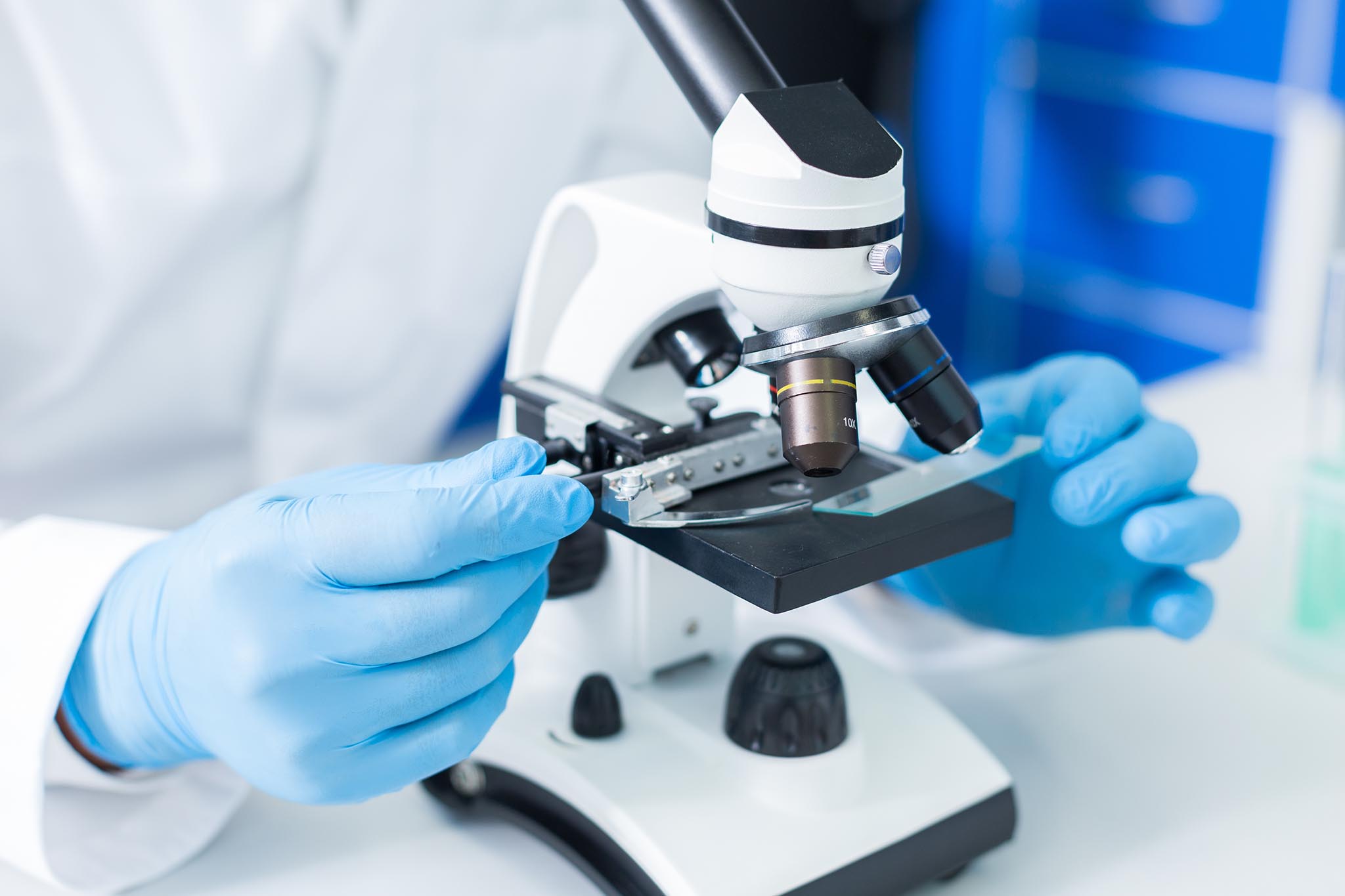
Water testing services are laboratory analyses that measure the physical, chemical, and biological quality of a water sample and compare the results against defined safety standards.
Depending on the water's purpose, results are assessed against different standards IS 10500 for drinking (tap) water, IS 14543 for packaged drinking water, or Pollution Control Board norms for effluent and wastewater. A proper testing service doesn't just return numbers; it tells you whether each parameter passes or fails its limit, and what that means for safety or compliance.
Why Is Water Testing Important?
Testing matters because water quality affects health, equipment, and legal compliance and none of it can be judged by eye:
Health protection. Contaminated water causes waterborne diseases and long-term harm from heavy metals like arsenic, lead, and fluoride.
Groundwater reliability. Borewell and well water can carry elevated fluoride, nitrate, iron, or hardness that shifts with the season and water table.
Regulatory compliance. Packaged-water units, food processors, hotels, hospitals, and industries are legally required to test water and hold valid reports.
Treatment decisions. Testing shows whether you need a purifier — and which type — instead of guessing.
Project clearances. Many housing and commercial projects require water reports before occupancy or licensing.
Testing converts "the water looks fine" into documented proof of whether it's safe.
What Are the Main Types of Water Testing Services?
A full-service laboratory typically offers:
1. Drinking water testing (IS 10500) The core service for homes, offices, RWAs, and institutions covering tap, municipal, and stored water.
2. Borewell and groundwater testing Focused on hardness, TDS, fluoride, nitrate, iron, and bacteriological safety — essential wherever borewells are common.
3. Packaged drinking water testing (IS 14543) A stricter standard for bottled-water manufacturers, required for BIS licensing and the ISI mark.
4. RO and purified water testing Verifies a purifier is working checking TDS reduction, pH, and microbial safety before and after treatment.
5. Industrial and process water testing Boiler feed water, cooling-tower water, and treatment-plant inlet/outlet analysis for factories and utilities.
6. Swimming pool and recreational water testing Chlorine, pH, and microbial checks for hotels, clubs, and apartment complexes.
7. Wastewater and effluent testing COD, BOD, TSS, oil and grease, and heavy metals for Pollution Control Board compliance.
How Does the Water Testing Process Work?
Understanding the workflow helps you get accurate results:
Consultation. Share your water source and purpose; the lab recommends the right parameter panel.
Sample collection. You collect using lab-provided bottles and instructions, or a technician does it. Correct, sterile handling is critical for microbiology.
Laboratory analysis. Samples are analysed using validated methods — spectrophotometry, atomic absorption spectroscopy, chromatography, and microbiological culturing.
Reporting. You receive a report comparing each result against IS 10500 limits, with a clear verdict.
Recommendations. A good lab helps interpret results and advises on treatment where a parameter exceeds its limit.
How to Choose a Water Testing Laboratory
Not every lab produces reports that hold up. Choose well by checking:
1. NABL accreditation (ISO/IEC 17025). The single most important factor — only accredited-lab reports are legally valid and accepted by BIS, FSSAI, and authorities. Ask for the certificate and check its scope.
2. Testing scope. The lab should cover the full IS 10500 panel, including trace heavy metals (by AAS or ICP) and microbiology — and IS 14543 if you need packaged-water certification.
3. Turnaround time. A full chemical and microbiological analysis usually takes 5–10 working days. "Same-day" results usually mean only a few basic parameters.
4. Proper sampling. Accurate results depend on correct collection, preservation, and prompt delivery. A good lab guides you or collects samples itself.
5. Report clarity. Each parameter, result, IS 10500 limit, method, and pass/fail should be clearly stated.
6. Traceable standards. Reliable labs calibrate against certified reference materials with documented traceability — the foundation of accurate results.
How Often Should Water Be Tested?
Households (tap/municipal): at least once a year, or immediately if taste, colour, or odour changes.
Borewell users: every 6 months groundwater quality shifts with the seasons.
Packaged-water units: quarterly, per BIS licensing.
Food processors, hospitals, hotels: periodically, per FSSAI and internal quality systems.
After any contamination event (flooding, pipeline repair, new borewell): before use.
Frequently Asked Questions
What do water testing services check?
Physical parameters (pH, turbidity, TDS), chemical parameters (hardness, fluoride, nitrate, heavy metals), and microbiological parameters (coliform, E. coli), compared against standards like IS 10500.
Is NABL accreditation necessary?
For any report that must be legally valid or accepted by BIS, FSSAI, or government authorities yes. Only NABL-accredited (ISO/IEC 17025) reports carry that standing.
How long does water testing take?
A full drinking-water analysis usually takes 5–10 working days; basic panels can be faster.
What's the difference between IS 10500 and IS 14543? IS 10500 is the general standard for drinking (tap) water; IS 14543 is the stricter standard for packaged drinking water.
Should I test my borewell water?
Yes borewell water can carry elevated fluoride, nitrate, hardness, or bacterial contamination that isn't visible.
The Bottom Line
Clean-looking water isn't proof of safe water. Whether you're a homeowner with a new borewell, an RO plant operator, a food business, or a manufacturer, professional water testing turns assumption into evidence. Choose a NABL-accredited laboratory, test against the right IS 10500 parameters for your purpose, and retest on a sensible schedule annually for tap water, every six months for borewells, and quarterly for regulated units.
Not sure which test you need? Identify your water source and why you're testing that single decision determines the right parameter panel and the right laboratory for the job.
"Water testing services analyse water drinking, borewell, RO, packaged, or industrial against Bureau of Indian Standards limits, chiefly IS 10500:2012, checking physical, chemical, and microbiological parameters. For a legally valid report accepted by BIS, FSSAI, or regulators, the testing must be done by a NABL-accredited laboratory (ISO/IEC 17025). A full drinking-water panel typically takes 5–10 working days. "
N
Written by NICP Technical Team
The NICP technical team specializes in laboratory water analysis, analytical chemical reagents, and Certified Reference Materials (CRMs) aligned with ISO/IEC 17034 and NABL requirements.
Related Insights & Guides
Continue reading about water testing standards and laboratory precision